

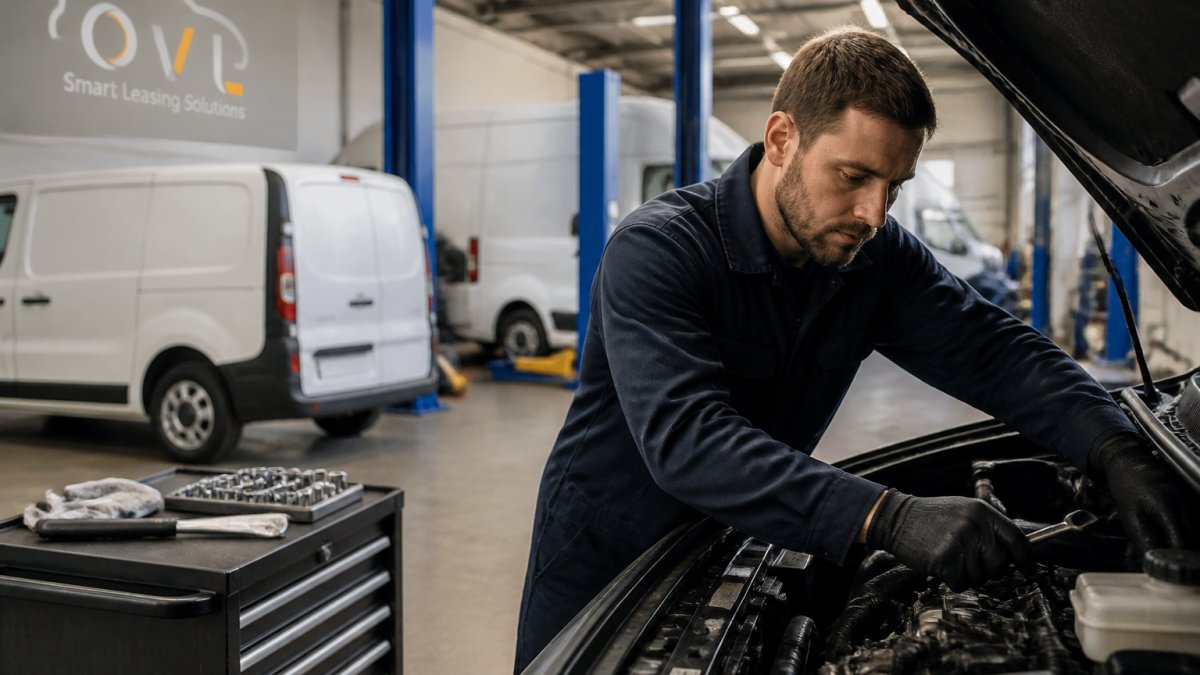
Table of Contents
- Why Fleet Maintenance Costs Matter to Your Bottom Line
- Build a Fleet Preventive Maintenance Schedule
- Use a Fleet Maintenance Checklist to Catch Issues Early
- Implement Fleet Maintenance Cost Tracking
- Conduct Vehicle Whole-Life Cost Analysis
- Optimise Driver Behaviour to Reduce Wear
- Plan Vehicle Replacement Before Costs Spiral
- Frequently Asked Questions
Last Updated: October 11, 2026
Why Fleet Maintenance Costs Matter to Your Bottom Line
Fleet maintenance isn't just about keeping vehicles running. It's about protecting your profit margins. When maintenance gets out of control, costs spiral fast. Repairs become expensive. Downtime increases. Vehicles break down when you need them most.
The difference between a well-maintained fleet and a neglected one shows up directly in your accounts. Preventative maintenance costs less than emergency repairs. A vehicle that fails on the road costs far more than scheduled servicing. At OVL Group, we've worked with field service companies and domiciliary care providers across Oxfordshire who discovered this truth the hard way.
The good news: you can reduce fleet maintenance costs significantly. It takes planning, tracking, and smart decision-making. This guide shows you exactly how.
Build a Fleet Preventive Maintenance Schedule
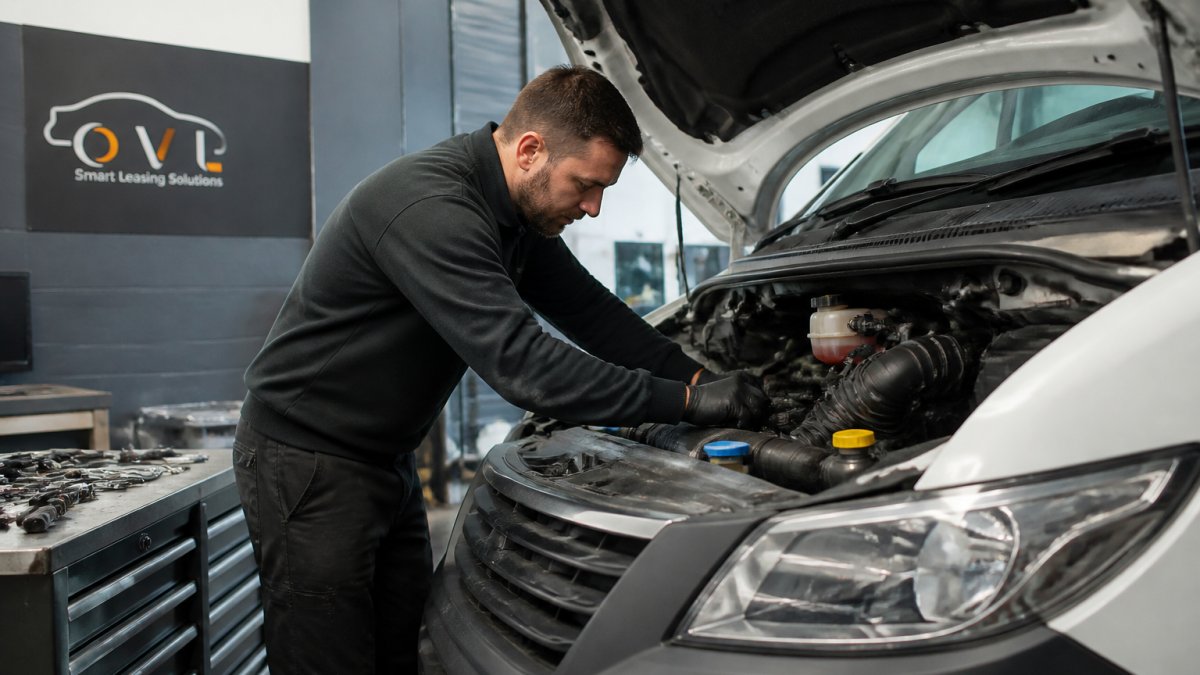
Preventive maintenance is the foundation of cost control. It stops small problems becoming big ones. A preventive maintenance schedule tells your team when to service each vehicle, before issues emerge.
The key is consistency. Vehicles that follow a schedule break down less often. They last longer. They hold their value better when you eventually replace them.
Setting intervals based on manufacturer guidance
Every vehicle comes with a maintenance schedule from the manufacturer. This schedule tells you when to change oil, check brakes, replace filters, and inspect other components.
Follow this schedule exactly. Manufacturers design these intervals based on how the vehicle is used and what it needs to stay reliable. Skipping services might save money today, but you'll pay more later in repairs.
Document the manufacturer's recommended intervals for each vehicle type in your fleet. Create a master list. Share it with your maintenance team. Make sure everyone knows what needs doing and when.
Scheduling maintenance around operational peaks
Timing matters. Schedule maintenance during your quietest periods, not when you need every vehicle on the road.
If your field service team is busiest on weekdays, schedule major services for weekends or quieter weeks. If you run domiciliary care calls that peak on certain days, plan around those patterns.
This approach keeps more vehicles available when you need them. It also gives your maintenance team breathing room to do thorough work without rushing.
Use a Fleet Maintenance Checklist to Catch Issues Early
A maintenance checklist catches problems before they become expensive. It gives drivers and technicians a consistent process. Nothing gets missed.
Checklists work because they're simple and repeatable. They take the guesswork out of maintenance. Everyone knows what to check and when.
Daily walk-around checks drivers should perform
Drivers spot problems first. They spend the most time with each vehicle. A daily checklist takes 5 minutes and prevents breakdowns.
Your daily driver checklist should cover:
- Tyre condition and pressure
- Lights (headlights, brake lights, indicators)
- Windscreen wipers and washers
- Fluid levels (oil, coolant, brake fluid)
- Mirrors and windows
- Brakes (feel and responsiveness)
- Unusual noises or vibrations
Train drivers to report issues immediately. Small problems caught early cost far less to fix. A worn brake pad replaced now costs far less than emergency brake repair on the roadside.
Scheduled inspection points at each service
When vehicles come in for scheduled maintenance, technicians need a structured inspection process. This prevents overlooked issues.
Your scheduled inspection checklist should include:
- Brake system inspection (pads, discs, fluid)
- Tyre condition and tread depth
- Suspension components
- Fluid checks and top-ups
- Battery condition
- Hoses and belts
- Exhaust system
- Lights and electrical systems
- Steering and suspension alignment
Document findings carefully. Record what was checked, what was found, and what was done. This record becomes your evidence of proper maintenance and helps identify patterns.
Implement Fleet Maintenance Cost Tracking
You can't reduce what you don't measure. Tracking maintenance costs reveals where money goes. It shows which vehicles cost most to maintain. It highlights patterns you can address.
Start recording every repair, service, and parts replacement. Include the date, vehicle, what was done, and the cost. Use a spreadsheet or fleet management software to organise this data.
Recording all repairs and parts replacements
Every time a vehicle goes into maintenance, create a record. Document:
- Vehicle registration and ID
- Date of service
- Type of work performed
- Parts replaced
- Labour hours
- Total cost
- Technician name
- Next service date
Consistency matters. Use the same categories and terminology every time. This makes patterns easier to spot later.
Identifying patterns and high-cost vehicles
After three to six months of tracking, patterns emerge. Some vehicles cost far more to maintain than others. Some parts fail repeatedly. Some issues appear across multiple vehicles.
Look for:
- Vehicles with costs above fleet average
- Repeated failures of the same component
- Seasonal patterns (winter breakdowns, summer overheating)
- Cost spikes that suggest major repairs needed
When you find a high-cost vehicle, decide whether to repair it or replace it. Sometimes the maths show that selling and replacing is cheaper than continued repairs.
Conduct Vehicle Whole-Life Cost Analysis
Whole-life cost analysis looks at the total expense of owning and running a vehicle over its entire life. It includes purchase price, fuel, maintenance, insurance, tax, and depreciation.
This analysis changes how you think about fleet replacement. A cheaper vehicle upfront might cost far more to run. A more expensive vehicle might deliver better value over time.
OVL Group specialises in whole-life cost analysis for fleet operators. We factor in all costs: finance, fuel, scheduled maintenance and repairs (SMR), insurance, and tax. This gives you the true picture of what each vehicle actually costs.
When you understand whole-life costs, fleet decisions become clearer. You can compare electric vehicles against diesel vans. You can evaluate whether to buy, lease, or use salary sacrifice schemes. You can identify which vehicle types deliver the best value for your operation.
Optimise Driver Behaviour to Reduce Wear
How drivers use vehicles dramatically affects maintenance costs. Aggressive driving, harsh braking, and poor maintenance habits increase wear and tear.
Driver training and monitoring reduce costs. Smooth acceleration, gentle braking, and careful handling extend vehicle life and reduce fuel consumption.
Implement driver behaviour monitoring if your fleet management system supports it. Reward safe, smooth driving. Address poor habits with training. Set expectations clearly.
Simple actions reduce costs:
- Smooth acceleration and deceleration
- Gentle braking (not emergency stops)
- Proper tyre pressure checks
- Regular fluid checks
- Prompt reporting of issues
- Avoiding overloading
When drivers understand that their behaviour affects fleet costs, they take ownership. They drive more carefully. Maintenance issues decrease. Fuel consumption drops.
Plan Vehicle Replacement Before Costs Spiral
Every vehicle reaches a point where repair costs exceed replacement value. Knowing when to replace vehicles keeps costs under control.
Track maintenance costs for each vehicle. When annual maintenance costs approach 40-50% of the vehicle's value, replacement usually makes sense. Some vehicles reach this point after five years. Others take longer.
Plan replacement cycles in advance. Don't wait until vehicles fail. Orderly replacement keeps your fleet modern and reliable. It prevents emergency replacements that force you to accept poor terms.
Consider whether to replace with new vehicles, used vehicles, or leased vehicles. Leasing often works best for growing fleets. You get new vehicles regularly. Maintenance is included. You avoid depreciation risk. If you're considering electric or hybrid options, our Electric / Hybrid Leasing service can help you transition to lower-emission vehicles whilst managing costs effectively. We also offer Lease Used Electric Vehicles for businesses seeking cost-effective sustainable solutions.
At OVL Group, we help businesses in Brightwell Baldwin and across Oxfordshire plan fleet replacement strategically. We analyse whole-life costs. We explore leasing options. We help you understand whether salary sacrifice schemes make sense for your team. We ensure your fleet replacement decisions are based on solid financial analysis, not guesswork.
Reducing fleet maintenance costs requires a systematic approach. Build a preventive maintenance schedule. Use checklists to catch issues early. Track every cost carefully. Understand the whole-life cost of each vehicle. Optimise driver behaviour. Plan replacement before costs spiral.
The businesses that control fleet maintenance costs are the ones that plan ahead. They don't react to breakdowns. They prevent them. They track data. They make informed decisions about which vehicles to keep and which to replace.
If you're managing a fleet of 50+ vans, or you're running a domiciliary care operation with vehicles spread across multiple locations, the complexity of fleet management grows fast. OVL Group helps field service companies and care providers optimise fleet performance through comprehensive whole-life cost analysis and dedicated account management. Whether you're exploring leasing options, considering electric vehicles, or implementing salary sacrifice schemes for your team, our team in Oxfordshire delivers the professional guidance and cost-effective solutions that make the difference. Get started with OVL Group and transform how you manage fleet costs.
Frequently Asked Questions
How can a business reduce fleet maintenance costs?
The most effective way to reduce fleet maintenance costs is combining preventive maintenance schedules, driver training, and cost tracking. Preventive maintenance catches problems before they become expensive repairs. Monitoring driver behaviour reduces wear on brakes, tyres, and engines. Fleet management systems help you track costs by vehicle, identify patterns, and spot which vehicles are becoming uneconomical to maintain.
Does preventive maintenance actually reduce fleet costs?
Yes. Preventive maintenance stops small issues from becoming major failures. A worn brake pad replaced during scheduled service costs far less than an emergency brake failure repair. Regular oil changes, filter replacements, and fluid top-ups extend engine life and improve fuel efficiency.
How often should fleet vehicles be serviced?
Service intervals depend on vehicle type, manufacturer recommendations, and usage intensity. Most commercial vans require servicing every 10,000-15,000 miles or annually, whichever comes first. High-mileage fleet vehicles may need more frequent checks. Your preventive maintenance schedule should align with manufacturer guidance and your operational demands. A fleet management partner can help tailor intervals to your specific fleet.
What should be included in a fleet maintenance checklist?
A comprehensive fleet maintenance checklist covers daily driver checks (tyre pressure, lights, fluid levels), scheduled service items (oil and filters, brakes, suspension), and compliance inspections (emissions, safety equipment). Document every inspection and repair. Track which vehicles need attention most often, this data reveals whether a vehicle should be replaced. Digital fleet management systems automate checklist tracking and alert you when services are due.