

Last Updated: October 24, 2026
Quick Summary
Choosing the right van size for small business operations requires matching your actual load weight and volume to a van's payload and cargo capacity. Assess your typical weekly trips, cargo weight, and frequency of full loads, then select a size that avoids wasting money on unused capacity or struggling to fit essential cargo.
- Weigh your typical load on scales and measure volume in cubic metres before selecting a van size
- Small vans cost less to lease and run but carry lighter loads; large vans consolidate more deliveries but require higher licence categories
- Payload and load space are different, you need both figures to avoid overloading or paying for empty space
- Track a typical week of trips, stops, and cargo to match your actual operational needs to the right van
- Leasing offers flexibility to test a van size for 12 months and adjust if it doesn't work for your business
Table of Contents
- What Size Van Do I Need for My Business
- Small vs Large Van for Business: Understanding the Trade-Offs
- Van Payload and Load Space Explained
- Matching Van Size to Your Industry and Operations
- Small Business Van Leasing UK: Why Leasing Fits Growing Fleets
- Creating Your Van Size Checklist
- Getting Expert Guidance on Your Van Selection
- Frequently Asked Questions
What Size Van Do I Need for My Business
Choosing the right van size for small business operations is one of the most overlooked decisions in fleet management. Get this wrong, and you're either paying for capacity you'll never use or scrambling to fit cargo that doesn't fit. At OVL Group, we help businesses in Brightwell Baldwin and across Oxfordshire make this choice with confidence based on their actual operational needs, not guesswork.
The size of van you need depends on three things: what you're carrying, how often you're carrying it, and how your team works. A plumber needs different space from a care provider. A delivery business needs different payload from a field service operation. Before you commit to leasing, you need to understand what "size" actually means, and it's not just length.
Most businesses pick a van by looking at the cargo area and guessing. That approach costs money. The right approach is measuring your actual load: weight, volume, and frequency. Then you match that to a van that handles it without excess.
Small vs Large Van for Business: Understanding the Trade-Offs
The choice between a small van and a large van isn't just about space. It's about running costs, manoeuvrability, and whether your team can actually use the capacity you're paying for.
Small vans (under 3.5 tonnes) cost less to lease and run. They're easier to park, quicker to load, and use less fuel. They work well if your typical load is light or your routes are through congested areas. Many small businesses in domiciliary care use small vans because they're carrying equipment and supplies for one or two clients per trip.
Large vans (3.5 to 7.5 tonnes) carry more weight and volume. They cost more to lease and operate. You'll need a heavier driving licence if the van exceeds certain thresholds (Driving licence categories). The trade-off is that you can consolidate more deliveries into fewer trips, which saves time and fuel per item carried.
The real question isn't which is better. It's which one matches your actual workload. If you're running a large van at 40% capacity most days, you're wasting money. If you're overloading a small van, you're risking damage, safety issues, and potential fines.
Here's what to consider:
- Fuel consumption: Larger vans use more fuel, but fewer trips can offset that saving
- Parking and access: Small vans fit urban areas and tight customer sites better
- Payload capacity: Heavy loads need larger vans; light loads don't
- Frequency of full loads: If you rarely fill the space, a smaller van makes sense
- Driver licence requirements: Vehicles over 3.5 tonnes require a different licence category
Van Payload and Load Space Explained
Understanding payload and load space is essential because they're two different things. You can have plenty of space but not enough weight capacity, or vice versa.
Payload is the maximum weight your van can carry safely and legally (Vehicle weights explained). This includes cargo, passengers, fuel, and equipment. If your van has a payload of 1,000 kg and your load weighs 1,200 kg, you're overloaded. That's unsafe and illegal.
Load space is the volume available inside the van, measured in cubic metres. A van might have 10 cubic metres of space but only 800 kg of payload capacity. That means you can't fill it completely because the weight limit comes first.
When you're choosing the right van size for small business operations, you need both numbers:
- Weigh your typical load (use scales if you're not sure)
- Measure the volume (length × width × height of your cargo)
- Check the van's payload and cubic capacity against both figures
- Add a safety margin, don't load to the absolute maximum
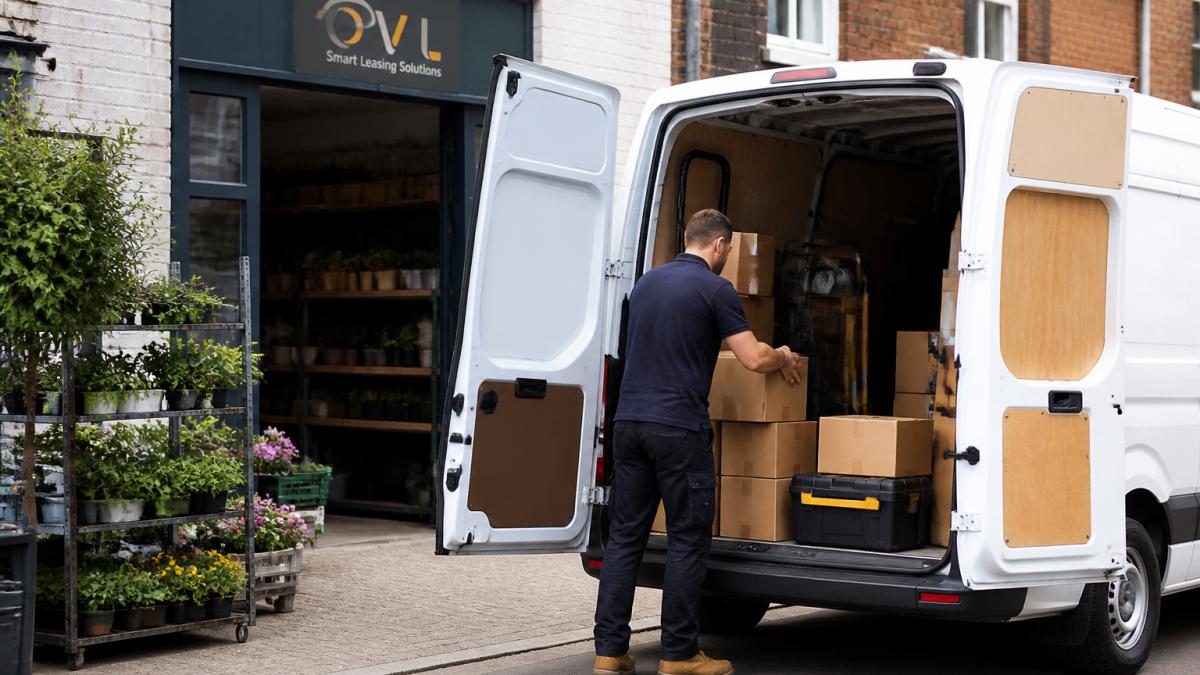
Many businesses underestimate weight. A van full of tools, parts, or supplies weighs more than it looks. Care providers carrying mobility equipment, medical supplies, and cleaning materials often find they need more payload capacity than they expected.
Matching Van Size to Your Industry and Operations
Different industries have different needs. A plumber's van isn't the same as a care worker's van. A courier service isn't the same as a field engineer's operation.
Field service businesses (electricians, plumbers, engineers) often need small to medium vans. You're carrying tools, spare parts, and equipment. Payload matters more than volume because tools are heavy.
Domiciliary care providers need reliable, professional-looking vehicles. You're carrying mobility aids, medical supplies, and sometimes personal items for clients.
Delivery and logistics operations need to consolidate loads. Larger vans make sense if you're collecting multiple parcels and dropping them across a region. The cost per delivery drops when you're carrying more items per trip.
Construction and trades need heavy-duty vans with high payload. You're carrying materials, equipment, and tools. A large van with good payload capacity is essential, and durability matters because the van takes a beating on site.
For businesses in Brightwell Baldwin and the surrounding area, the right van size depends on your actual routes and loads. If you're mostly working locally with multiple stops per day, a smaller van is often more efficient.
The way to decide is to track a typical week:
- How many trips do you make?
- What's the average weight and volume per trip?
- How many stops do you make per trip?
- What's your fuel budget?
Once you have that data, you can match it to a van size that works.
Small Business Van Leasing UK: Why Leasing Fits Growing Fleets
Van leasing offers flexibility that ownership doesn't. You can scale your fleet as your business grows, upgrade to newer vehicles, and avoid the hassle of maintenance and repairs.
When you lease a van, you pay a monthly fee. This means you understand the true cost of running each vehicle upfront, not just the monthly payment, but fuel, maintenance, and tax combined.
For small businesses, leasing removes the capital outlay. Learn how van leasing works for small businesses, including costs, tax benefits, and eligibility to find the right lease option for your fleet needs. You don't need to find tens of thousands of pounds to buy vans.
OVL Group offers tailored van leasing solutions designed for growing businesses. We work with field service companies, care providers, and SMEs to build fleets that match their actual operational needs.
We also offer Van Leasing Special Offers that help you reduce your fleet costs without compromising on quality or reliability. Additionally, if you're interested in reducing fuel costs and emissions, we provide Electric and Hybrid Leasing options that work for businesses ready to go greener.
Creating Your Van Size Checklist
Before you commit to leasing or buying, work through this checklist. It forces you to be honest about what you actually need.
| Factor | What to Check | Why It Matters |
|---|---|---|
| Typical load weight | Weigh your cargo on scales | Overloading is illegal and unsafe |
| Typical load volume | Measure in cubic metres | Space that's empty costs money |
| Frequency of full loads | How often do you fill the van? | Oversizing wastes fuel and lease costs |
| Driver licence required | Check DVLA requirements for vehicle weight | Wrong licence = fines and liability |
| Access and parking | Will the van fit your customer sites? | A large van that can't reach clients is useless |
| Fuel budget | Calculate cost per mile for different sizes | Larger vans cost more to run |
| Manoeuvrability | How tight are your typical routes? | Small vans are easier in urban areas |
| Team preferences | Do your drivers have a preference? | Comfort and confidence matter for safety |
| Growth plans | Will you need more capacity next year? | Leasing lets you scale; buying doesn't |
| Maintenance access | Can you service the van locally? | Downtime costs money |
Use this checklist with your team. Explore business van fleet management solutions to optimise costs, reduce downtime, and improve driver safety once you've identified your van size needs. Let them tell you what works and what doesn't. Drivers often spot problems that managers miss.
Getting Expert Guidance on Your Van Selection
Choosing the right van size for small business operations is easier with expert input. You're making a decision that affects your budget, your team, and your customers. Getting it wrong is expensive.
At OVL Group, we analyse your actual workload and recommend the van size that fits. We don't push you toward a larger vehicle to increase the lease payment. We look at your routes, your loads, your team, and your growth plans, then recommend what actually works.
Our fleet planning guidance covers van selection as part of a broader strategy. If you're growing your fleet, we help you build it efficiently. If you're scaling your operation, we make sure your vehicles scale with you.
The conversation starts with understanding your business. What do you carry? How often? What's your budget? What's your growth plan? From there, we recommend specific van sizes and show you the true cost for each option.
Many businesses find that the right van size saves them money immediately through better fuel economy and lower lease costs. Others find that choosing a slightly larger van eliminates the need for extra trips, which saves time and money across the whole operation.
Frequently Asked Questions
What size van do I need for my small business?
The right van size depends on your typical daily load, payload requirements, and operational environment. Start by assessing your heaviest working day: what volume and weight do you regularly carry? Small vans (3-4 cubic metres) suit urban deliveries and light tools. Medium vans (6-8 cubic metres) handle general trades and field services. Large vans (10+ cubic metres) support multiple staff or heavy equipment. Consider access to customer sites and parking constraints, a smaller van may be more practical for tight urban areas, whilst a larger van maximises efficiency on longer routes.
How do I measure the load space I actually need?
Measure your typical cargo by volume (length × width × height in metres) and total weight. List your essential tools, stock, or equipment and calculate their combined dimensions. Add 20% buffer for flexibility on busier days. Check the van's payload capacity (the weight it can safely carry) against your needs, exceeding payload limits creates safety and legal compliance issues. Most van specifications show both cubic capacity and payload in kilograms. If you're unsure, map out a typical week of jobs to identify peak requirements.
What is the difference between a small, medium and large van?
Small vans (3-4m³) offer manoeuvrability in cities and lower running costs; best for solo operators or light deliveries. Medium vans (6-8m³) balance payload capacity with drivability; ideal for trades, field services, and care operations with multiple staff. Large vans (10m³+) maximise load space and efficiency for high-volume operations, multiple teams, or heavy equipment; they cost more to run but reduce trip frequency. Your choice affects fuel consumption, parking ease, driver comfort on long routes, and total operational costs. Choosing the right van size for your business means matching peak demand without over-specifying.
Can van leasing help me choose the right vehicle?
Yes. Leasing partners like OVL Group provide whole-life cost analysis covering finance, fuel, maintenance, and tax efficiency. This helps you understand the true operational cost of different van sizes before committing. Leasing also offers flexibility, you can adjust your fleet mix as your business grows without being locked into ownership. Starting with expert guidance on van selection and leasing options means you avoid over-investing in size you don't need or under-specifying and facing repeated inefficiencies.
Getting your van size right is a business decision, not just a vehicle choice. It affects your operational efficiency, your costs, and your team's ability to do their job well. At OVL Group in Brightwell Baldwin, we help businesses make this choice with confidence. Submit a query to discuss your fleet needs and discover how the right van size can improve your operation.